If MTV Isn’t Here to Rock the Vote Anymore…Who Is?
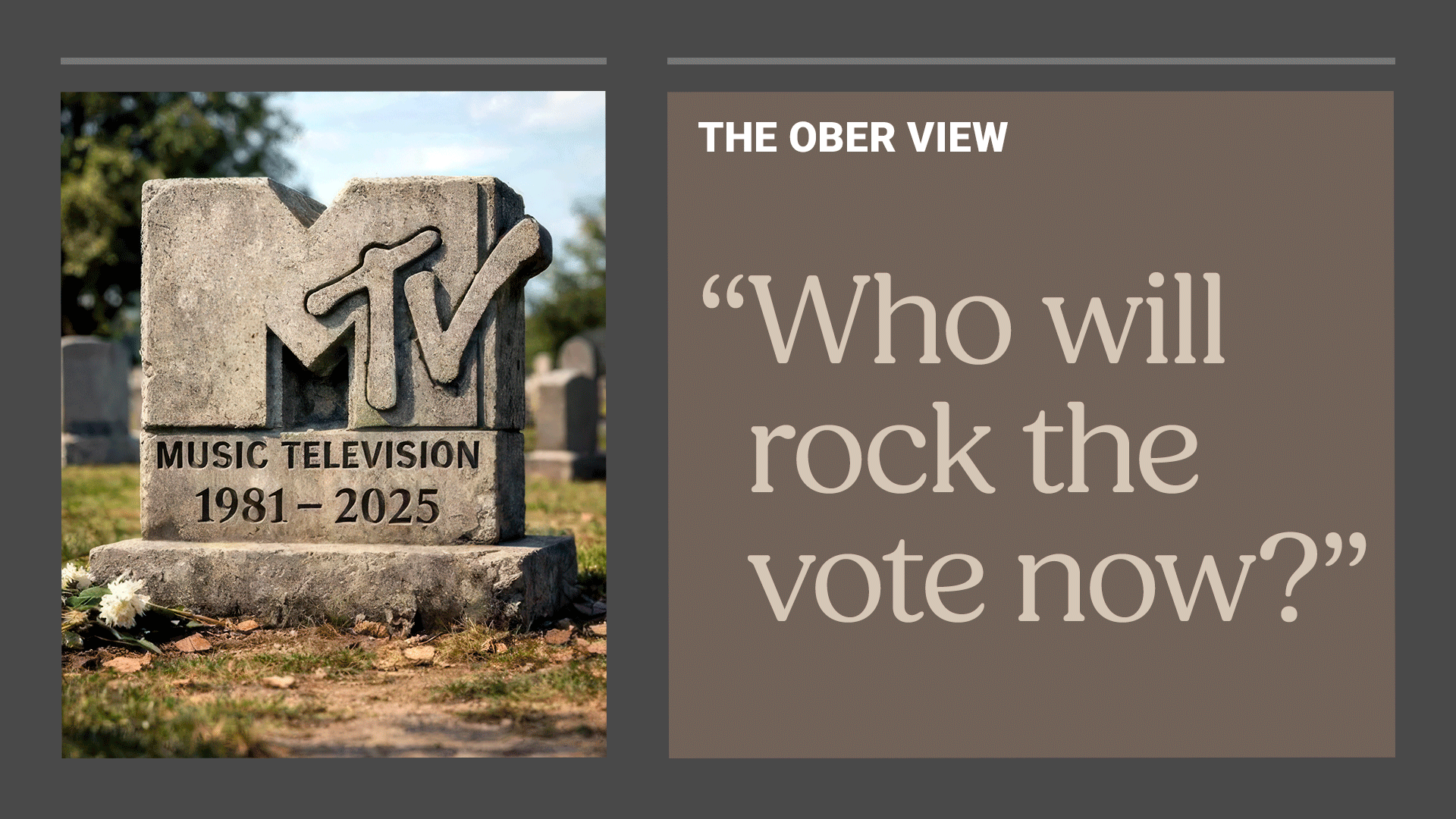
Whether we want to admit it or not, many of us learned civic engagement through culture long before we learned it through government. We learned it through music videos. Through award shows. Through artists, athletes, and cultural institutions that made participation feel relevant, accessible, important, and connected to our everyday lives.
For an entire generation, initiatives like MTV’s Rock the Vote transformed civic participation from a civic obligation into a cultural moment. Voting wasn’t presented as something separate from culture; it was embedded within it.
Today, however, we seem to be operating under the assumption that algorithms can fill that role. And if you were under the impression that they can, I'm here to tell you, they can’t. Algorithms are designed to optimize for attention, engagement, and consumption. They are not designed to build trust, strengthen civic understanding, or activate communities. And while digital platforms have expanded access to information, access alone does not create participation.
That reality presents both a challenge and an opportunity. One that I hope brands see as an invitation to move beyond talking about impact and start building the infrastructure that supports it.
As traditional cultural institutions have stepped back from large-scale civic engagement efforts, a gap has emerged - one that brands, platforms, agencies, creatives, artists, and storytellers are uniquely positioned to help fill. Not through performative campaigns or last-minute “Vote” graphics posted days before an election. Through sustained investment in cultural infrastructure.
That means leading with resources, not rhetoric. Making information accessible and easy to understand. Partnering with trusted community messengers. Funding organizations already doing the work on the ground. Creating campaigns that people feel, not simply consume. And treating civic engagement as something that belongs within culture year-round, not just during election cycles.
The research suggests consumers are already expecting this level of leadership.
OBERLAND’s Speak or Surrender research found that consumers increasingly expect brands to engage on societal issues, particularly those that directly affect their communities and futures. The research also found that 83% of consumers believe corporations have a responsibility to protect voting rights.
We’ve actually seen this work before. The model exists. The question is who is willing to invest in it again?
Companies have demonstrated that civic engagement can be integrated into brand identity in meaningful ways. Levi Strauss & Co. has supported voter registration efforts, encouraged civic participation among employees, and publicly advocated for voting access. Patagonia has woven activism and voter engagement into its broader storytelling around environmental and social responsibility. Ben & Jerry’s has consistently treated democracy, racial justice, and civic participation as core business values rather than occasional campaign themes. And Snap leveraged its platform to help drive voter registration and turnout among younger audiences directly within the user experience.
What made these efforts effective was not simply their visibility, it was their proximity to culture! They met people where they already were, using trusted platforms, familiar voices, and relevant storytelling to make participation feel tangible.
The question facing us now is not whether culture influences civic engagement. We already know it does.
The question is, who is willing to build the next version of that ecosystem? Because civic participation cannot depend solely on whether a message happens to go viral.
And if brands are serious about impact, community, and purpose, then helping people participate in the systems that shape their lives is not separate from the work. It is the work.
The music may have left MTV, but why did civic participation have to go, too? Or to put it another way: if the soundtrack changed, did the responsibility to engage communities have to fade out with it?