The End of the Target Audience: What if Gen Z isn't changing sports fandom? What if they're changing how we think about culture itself?
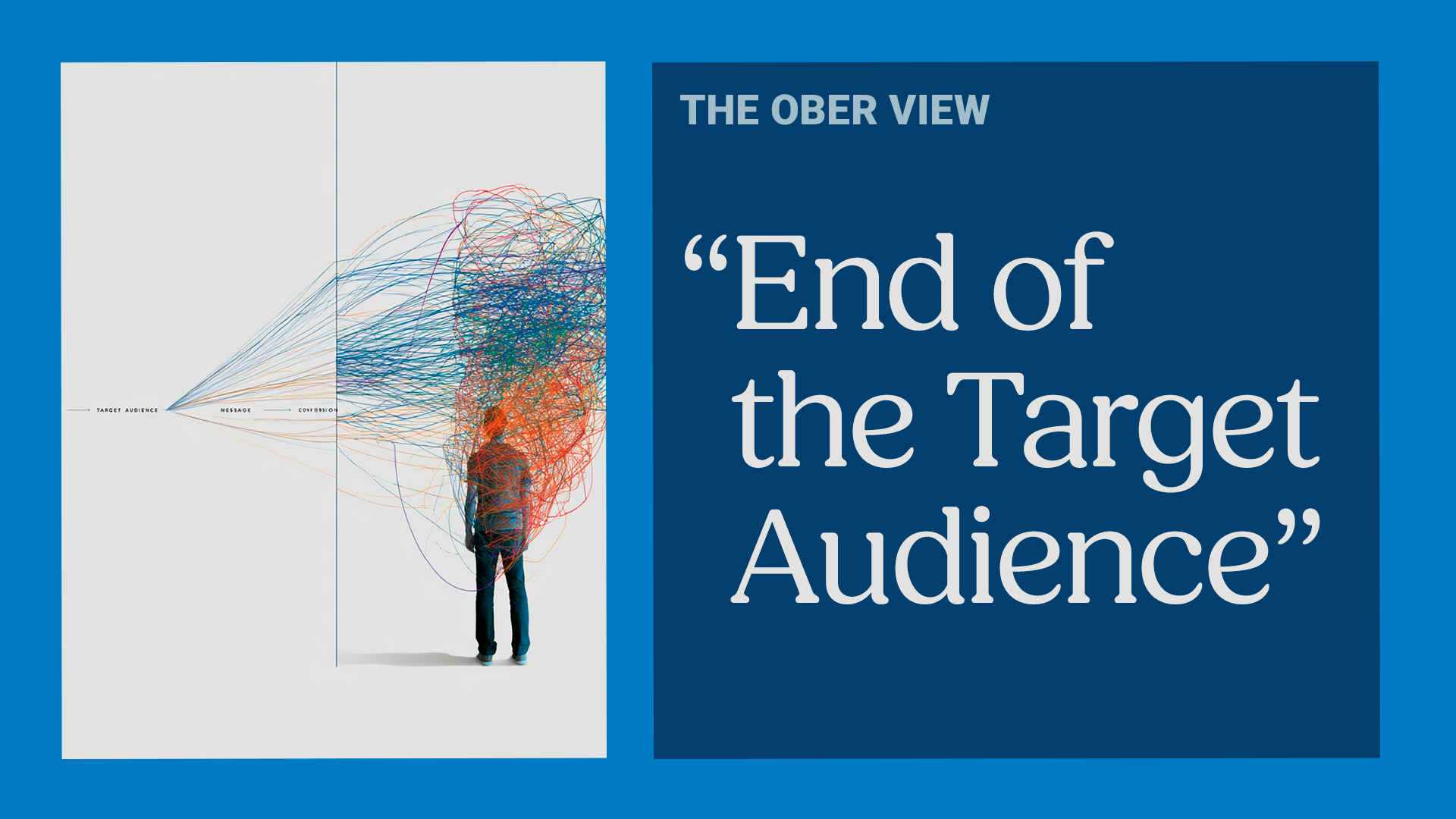
Marketing has long been built around a straightforward premise: find the right audience and the rest will follow. We identify a target customer, study their behaviors, craft a compelling message, and deliver it through the right media. It's a framework that has fueled some of the world's most iconic brands.
But what if the audience itself is becoming an outdated construct?
A recent report from the USC Annenberg × ACC Think Tank, a directed research collaboration between the USC Annenberg School for Communication and Journalism and leaders from the Acceleration Community of Companies (ACC), explores how Generation Z is fundamentally reshaping sports fandom. The research combines a nationally representative YouGov survey of more than 2,100 Gen Z adults with live focus groups and a global community survey to understand not just what Gen Z is doing, but why they're doing it.
At first glance, the report is about sports. But the more I read, the more I realized it touches on something much broader. It peeked over the fence into how culture itself is changing, moreover, what that means for brands, marketers, and anyone working to build communities around ideas.
One of the most interesting insights is that nearly half of Gen Z fans discovered a sport or athlete through something entirely outside the sport itself. Instead of beginning on the field or in the arena, fandom is increasingly starting within the broader cultural ecosystem. They’re becoming fans through music, gaming, fashion, streaming content, or creators they already trust. This shift is being referred to as unexpected entry points or as "side doors" into fandom.
This point really challenges one of marketing's oldest assumptions, and we need to sit with that. Are we sitting?
For years, we've believed that if we wanted to reach sports fans, we needed to advertise around sports. If we wanted to reach beauty consumers, we showed up in beauty spaces. The assumption was simple and frankly just made a ton of sense: people discover communities through the thing itself.
But this report really highlights that culture no longer works that way. People don't necessarily find communities through the obvious entry point. And while the quick examples are sports-based, the implications extend far beyond this summer of sports.
For marketers, this challenges how we think about media, segmentation, and audience strategy. And for those of us who believe marketing can be a force for social impact, the implications run even deeper. It changes not only who we reach, but how we invite people into a cause, a community, or a movement. And if it has implications in those places, ultimately it will have implications on how we design campaigns and activations that inspire participation instead of simply generating awareness.
Switching up the traditional methods, impact-centered campaigns have often assumed that if we want people to engage with an issue, we should lead with the issue itself. Climate campaigns talk about climate. Mental health campaigns talk about mental health. Civic engagement campaigns talk about voting. But I fear that approach was a little too simplistic in thinking: what if the path to participation isn't always through the cause?
What if people are more likely to discover a movement through a creator they trust, a community they already belong to, a cultural moment they identify with, or a story that reflects who they are?
Perhaps the most important lesson from this research isn't about sports at all. It's that people are no longer organizing themselves into the neat categories marketers have relied on for decades. Those identities are dynamic, overlapping, and constantly evolving, making them far more nuanced than the audience segments marketers have traditionally relied upon.
Identity has become more fluid, so our strategies need to become more fluid as well, human, if you will. The question is no longer who is our audience? Instead, I think it's how do we create meaningful pathways for people to participate?